The Story of Akiane Kramarik
Akiane began drawing at three years old. Her paintings, poetry, and films have since reached an international audience, but the work still begins in the same place: close observation, persistent practice, and a desire to express what cannot easily be put into words.
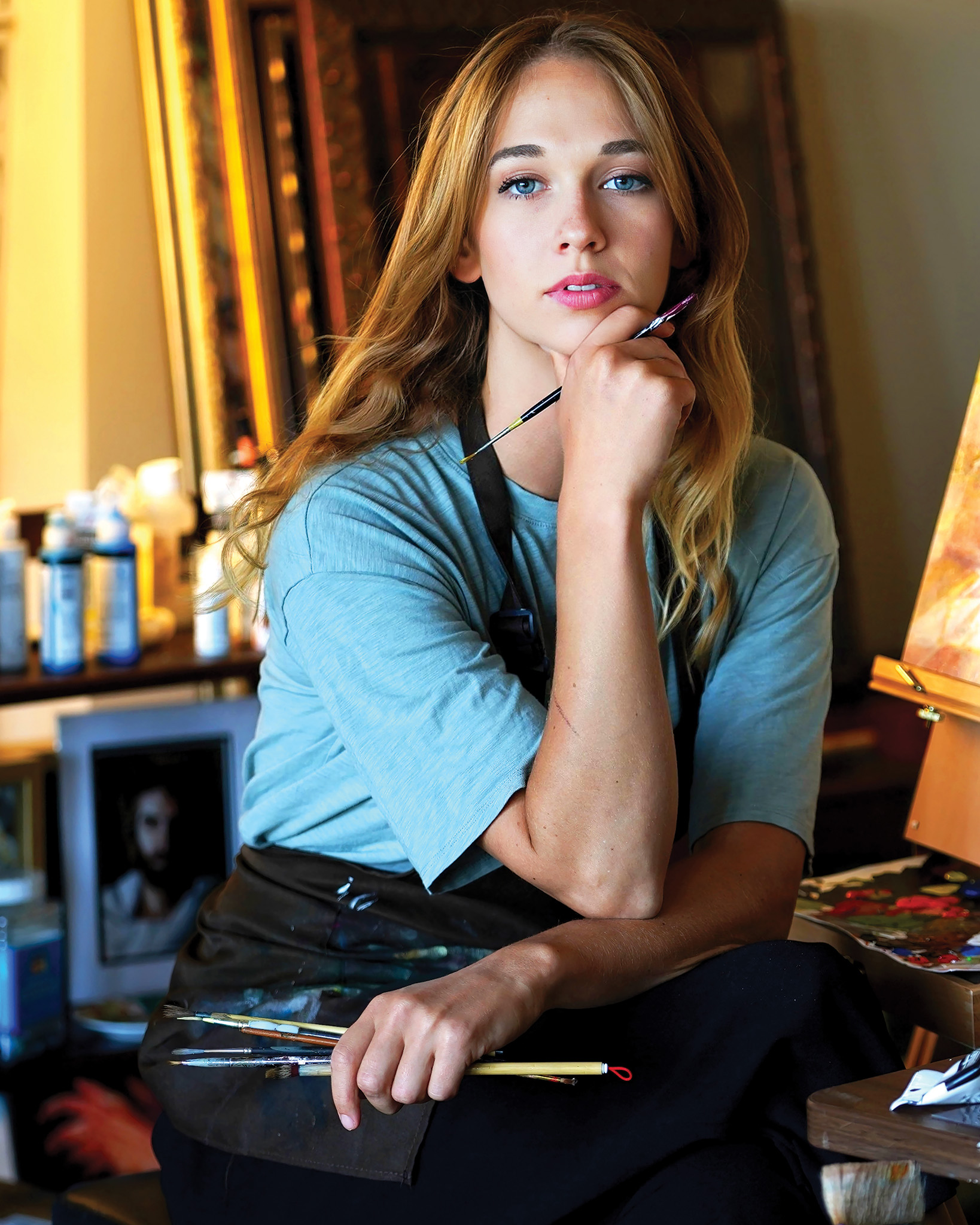

The beginning
Akiane was born at home underwater on July 9, 1994, near Mt. Morris, Illinois, to a Lithuanian immigrant mother and an American father. The third of five children, she was homeschooled and grew up in a family that endured periods of poverty and illness while encouraging her unusual creativity.
She began drawing at three. By four, she was attempting to express vivid dreams, spiritual visions, and observations of the world around her using whatever materials were available—graphite, charcoal, candles, flowers, berries, and even vegetables.
Pastels followed at six, acrylic paint at seven, and oils later. What began as an intensely personal way of communicating soon developed into a disciplined artistic practice that would reach audiences around the world.
Akiane learned to speak four languages and grew up with a multicultural heritage that includes Lithuanian, Jewish, Polish, Finnish, Danish, German, French, Russian, Hungarian, Slovakian, and Chinese roots. She later traveled to thirty countries and lived across several states, countries, and continents—experiences that broadened the settings, faces, and traditions found in her work.
A life in art
Public recognition came early. Behind it was a daily practice of painting, writing, experimenting, and studying the people and places around her.
Discovering a visual language
Drawing, dreams, and improvised materials gradually gave way to pastels, acrylics, and an increasingly precise approach to portraiture.
Her first painting is collected
My Sight Cannot Wait for Me, Akiane's first original painting, sold for $10,000 while she was still eight years old.
A first solo exhibition—and worldwide attention
Akiane debuted her first solo exhibition and appeared on programs including The Oprah Winfrey Show, introducing millions of viewers to her work.
Painting, poetry, and two published books
Her first book, Akiane: Her Life, Her Art, Her Poetry, was published at ten, followed by My Dream Is Bigger Than I at eleven.
A deeper studio practice
As her paintings became more involved, Akiane worked through long studio sessions, refining compositions over time and documenting different stages of the work.
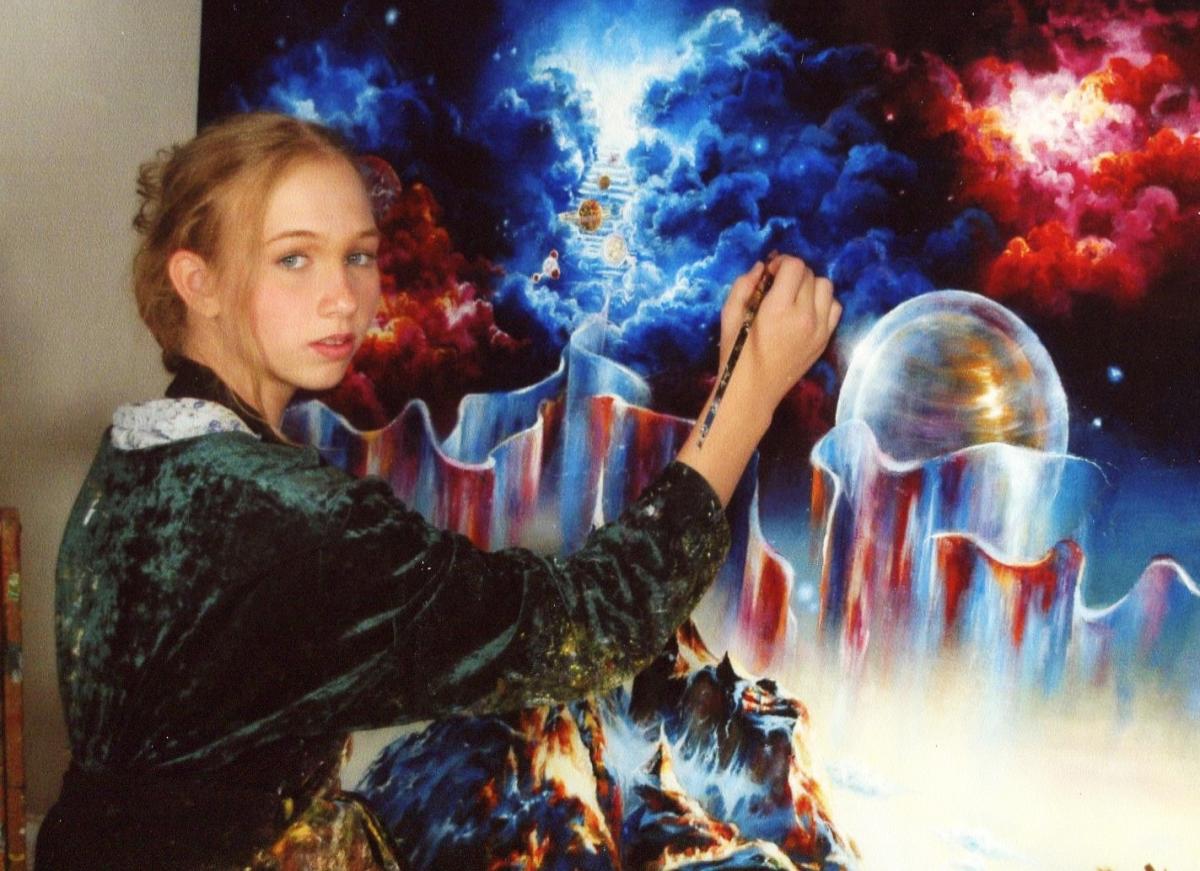
Painting becomes film
Akiane and her family began creating films around individual paintings, allowing viewers to watch the works develop and experience the stories behind them. Watch Dharma, Painting the Impossible, Flow of Time, and The Messenger.
Prince of Peace returns to public view
After years outside the public eye, the original Prince of Peace was recovered and sold for $850,000, renewing international interest in the painting and its story.
An evolving international practice
Akiane continues to paint, write, travel, film, and explore new materials while creating work centered on hope, healing, beauty, and the mysteries of the eternal.
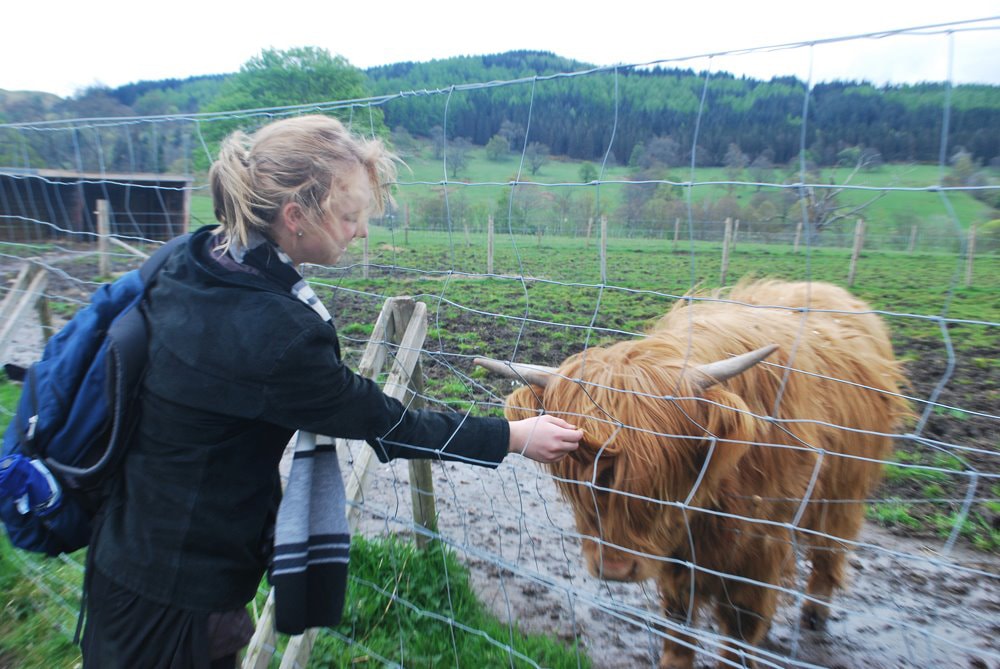
Beyond the timeline
Exhibitions and collections. Akiane's work has appeared in galleries, museums, embassies, and private institutions—including the U.S. Department of State's Art in Embassies program—and has been collected by public figures, business leaders, and private collectors around the world. Original paintings have sold for six figures. She has also been recognized by the Kids Hall of Fame, the World Council for Gifted and Talented Children, and the Happiness Hall of Fame.
Film, television, and books. Her story has been featured by Oprah Winfrey, the BBC, Good Morning America, CNN, Fox News, and many other programs. Her work also appears in documentaries including Super Human Genius, Indigo Evolution, and Miracle Detectives, and is connected with Heaven Is for Real and Richest Kids of America.
Giving back. Through exhibitions, auctions, donated works, and fundraising efforts, Akiane has supported charitable organizations and individuals in need, including medical, cancer, and children's causes.
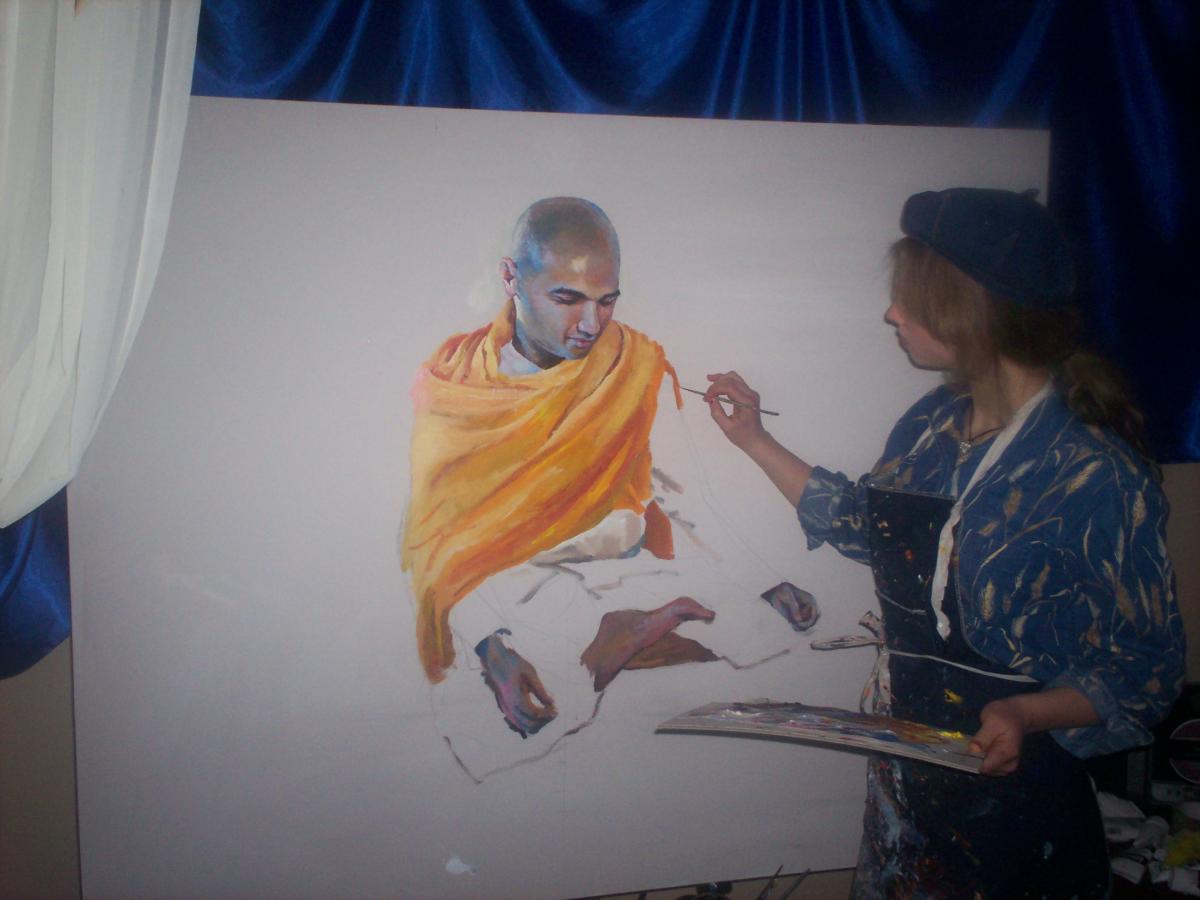

How the work is made
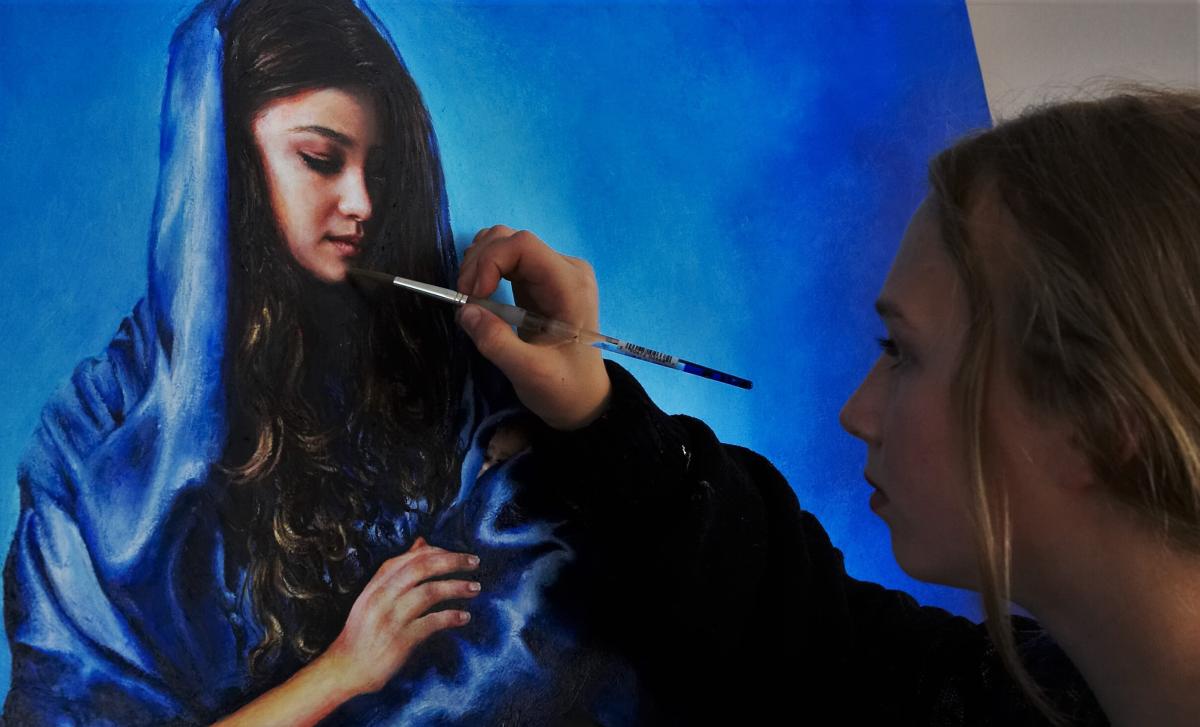
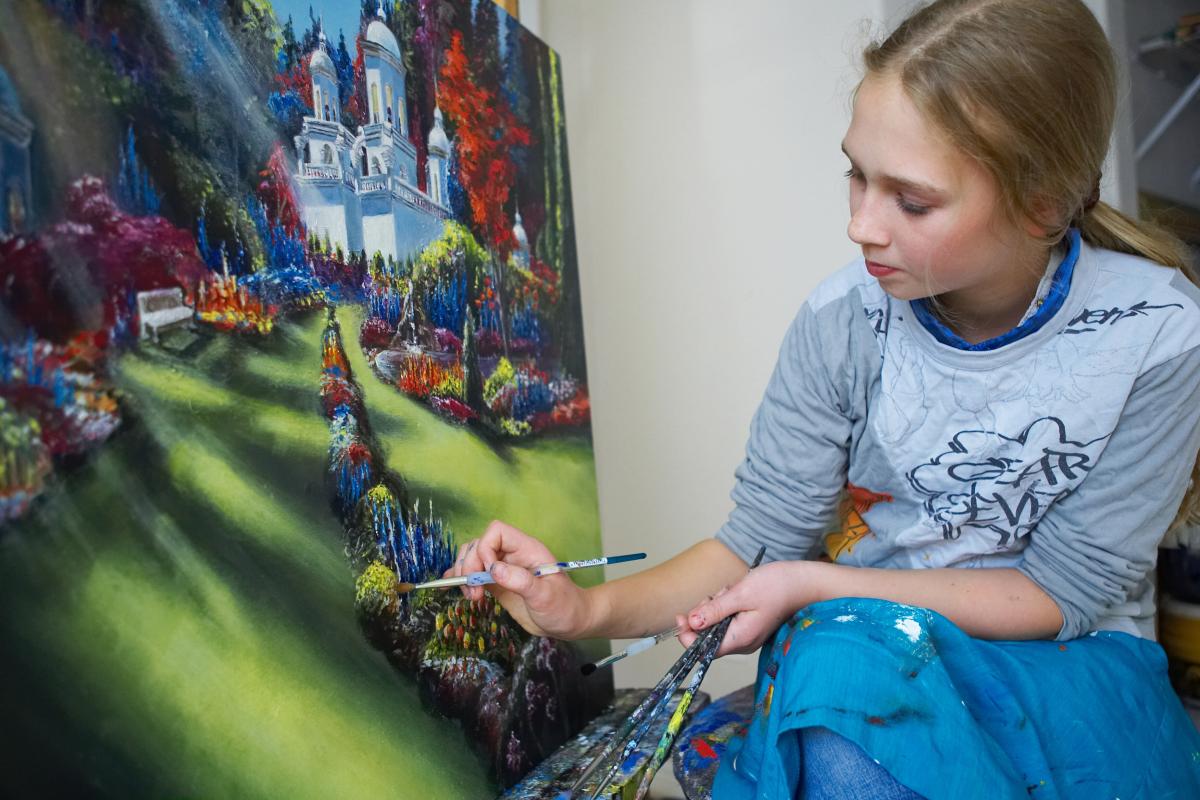
Akiane's process can extend over many months. She often begins before dawn, working for long stretches in silence and returning later to sketch, observe, and refine.
Working rhythm
She often paints before dawn and sketches later in the day. A single painting can take as long as twelve months, followed by months of preparation when an original is selected for a limited-edition reproduction.
Materials and technique
Akiane has painted on canvas, linen, tile, paper, silk, and wood and generally prefers acrylics. Brushes are altered and worn down, and she may use her fingers, palms, or hair to create a particular texture. Proportion and perspective are adjusted by eye without projectors or measuring tools.
Subjects and meaning
Real models, biographies, travel, meditation, dreams, and visionary experiences all enter the work. Her paintings range from large-scale realism to fluid, near-abstract compositions using glass and gold, as well as the mystic landscapes she calls “soulscapes.” Many contain layered symbols, hidden narratives, and visual codes. Her stated mission is to make the invisible accessible through a poetic visual language and to create work associated with hope and healing.
Akiane has documented her process on film since childhood. Projects including Dharma, Painting the Impossible, Flow of Time, and The Messenger have allowed viewers to watch the paintings develop. She credits her family's support, home education, perseverance, and cultural and spiritual background as important parts of her development.
“Receive life like a gift and release it like a present.”
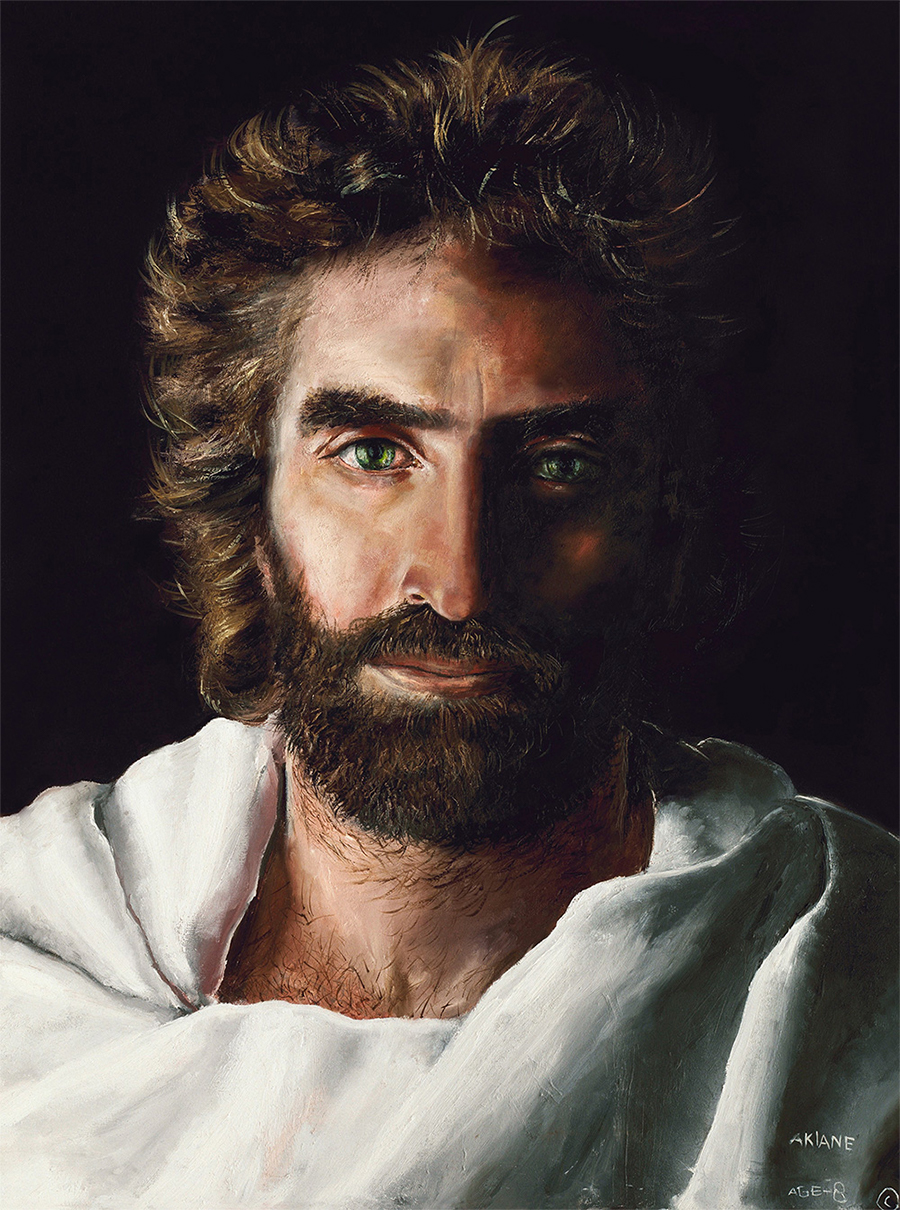
Prince of Peace
Painted when Akiane was eight years old, Prince of Peace became her most widely recognized work and one of the best-known contemporary artistic depictions of Jesus.
The original later disappeared from public view for many years. Its recovery and sale in 2019 renewed interest in the painting and in the story of its creation. The portrait continues to introduce new audiences to Akiane's work.
Selected poetry and aphorisms
Akiane's visual art developed alongside poetry and philosophical aphorisms—many written between the ages of eight and twelve.
“Only from the deep coal tunnels white diamonds come. But only by the light they are recognized.”
“Hope is a knot in a rope that keeps us from falling down.”
“There is no journey in hesitation. Don't define yourself—your direction will.”
“Nothing can substitute for experience, one of the greatest treasures of all.”
“Before you dim a lantern, spend one life as a firefly.”
“Only a caring perspective is immortal, and only when we live for others do we know the language of love.”
Read more early aphorisms
“Champions win, but losers learn.”
“Life is like a survival kit without a manual.”
“Hope invites all of us, but very few feel welcomed.”
“Wisdom chooses the unknown to be its reason.”
“The challenges are no tougher than me.”
“To truly appreciate love, we have to be free.”
“Short roots can grow only short sights.”
“Artificial love has no reflection.”
Akiane in the media
Akiane's work and story have been featured internationally across television, documentaries, newspapers, magazines, and cultural institutions.
Prince of Peace brought into the light again
Read story U.S. Department of StateAkiane Kramarik in Art in Embassies
View profile IncollectAn art practice centered on love and hope
Read interview Crain's Chicago BusinessThe North Shore artist building an international career
Read profile Oprah: Where Are They Now?Where is the celebrated child artist today?
Watch videoExplore Akiane's work
Explore Akiane's paintings, collectible editions, and original works through the Official Akiane Gallery.